Language learning, to me, is empathy in action. I teach Korean not only as a system of sounds, grammar, vocabulary, and sentence structure, but also as a way of understanding people, relationships, situations, and cultural meaning. My goal is to help students speak Korean accurately, appropriately, and confidently.
For many U.S.-based learners, Korean is a Less Commonly Taught Language, and students often have limited opportunities to use it beyond the classroom. I therefore design my teaching around meaningful practice: students learn Korean through communication, culture, reflection, technology-supported practice, and real interaction.
Teaching Recognition
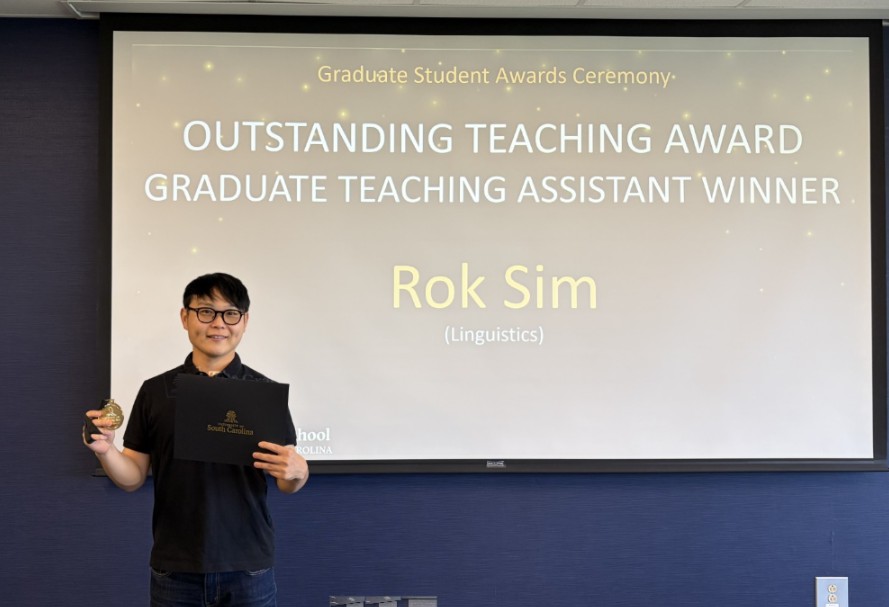
Outstanding Graduate Teaching Award
In 2026, I received the Outstanding Graduate Teaching Award in the Graduate Teaching Assistant category. This recognition reflects my commitment to student-centered Korean language teaching, cultural engagement, and inclusive classroom practice.
View announcement →Teaching Philosophy
My teaching focuses on three connected capacities:
- Linguistic accuracy: students build control over Korean sounds, grammar, vocabulary, sentence structure, and writing.
- Context-sensitive communication: students learn how language choices express respect, closeness, distance, humility, and relationship.
- Confidence beyond the classroom: students practice Korean with curiosity, care, and readiness for real-world interaction.
Because Korean honorifics and politeness forms are deeply tied to social relationships, I teach students not only what to say, but also what their choices communicate. In my classes, successful language use means more than producing correct sentences; it means reading the situation, choosing thoughtfully, and responding with care.
Korean Language Table
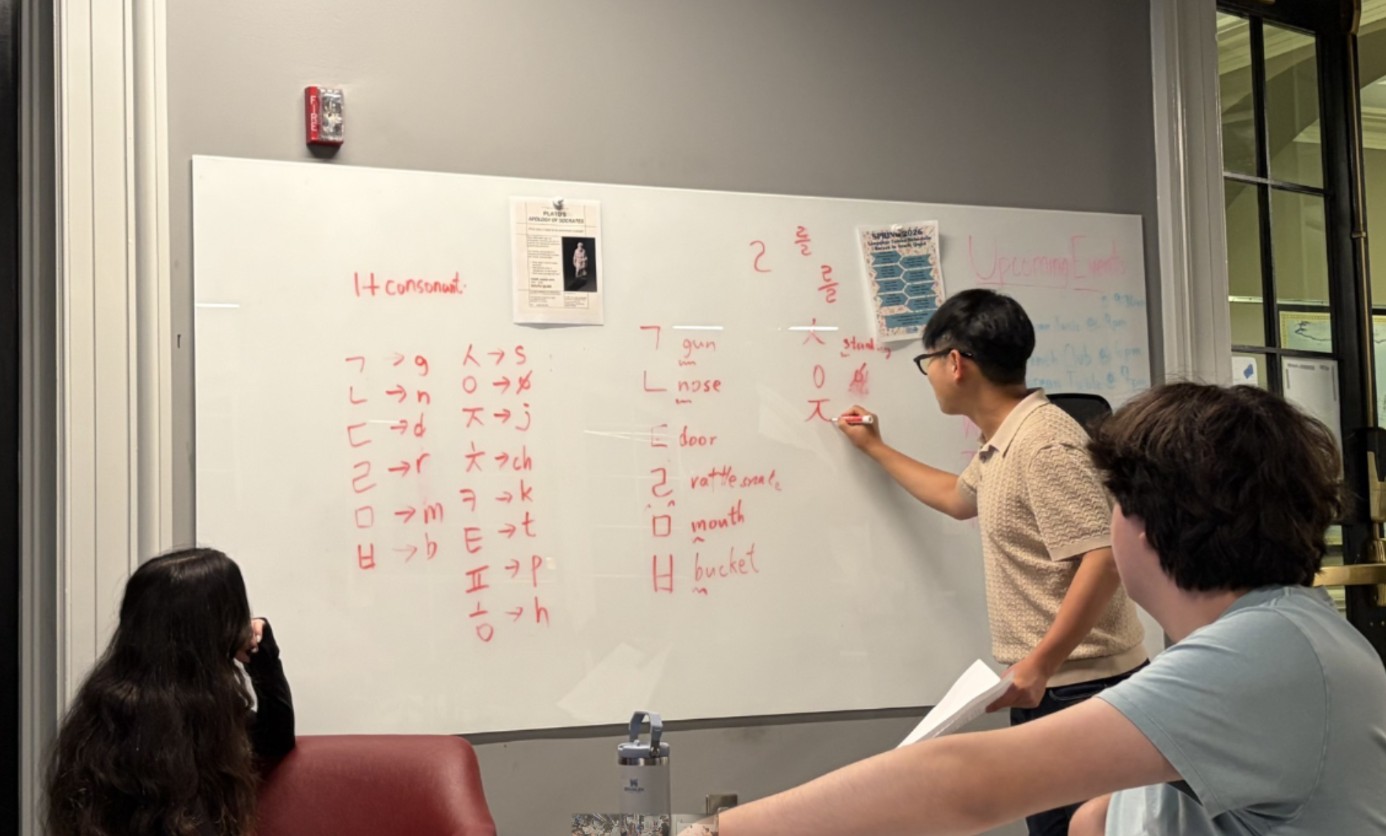
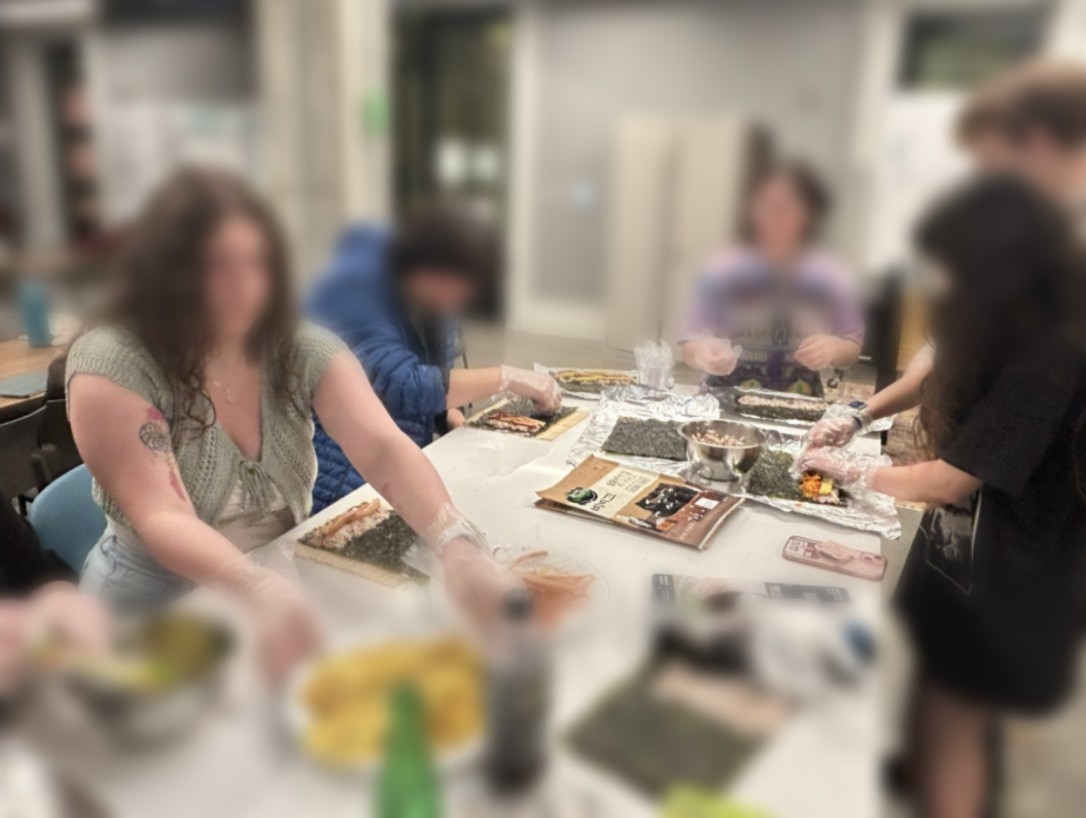
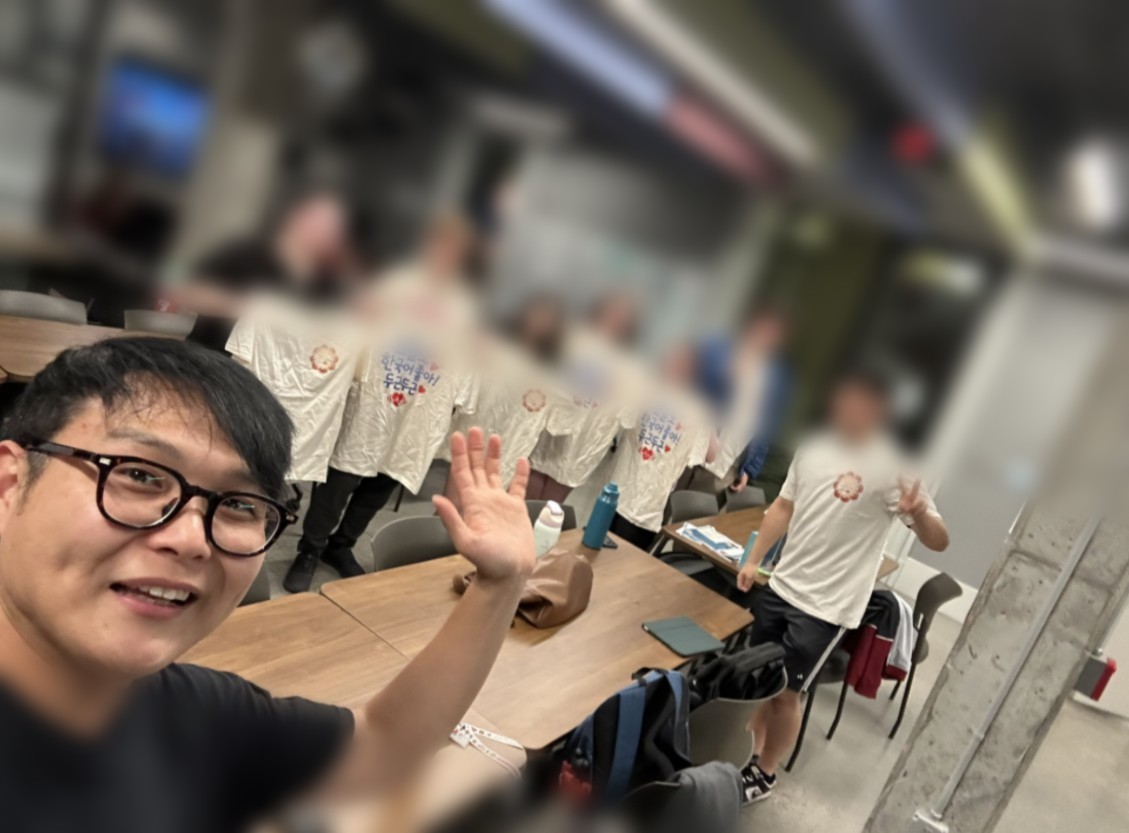
Beyond the classroom, I lead the Korean Language Table as a space where students practice Korean through conversation, cultural activities, food, media, games, and collaborative projects. The goal is to help students experience Korean as a living language: something they can use, enjoy, and connect with.
The Korean Language Table has also been featured in The Daily Gamecock for creating cultural bridges for students at the University of South Carolina.
식도락 Project
식도락 Project: Korean Cities, Food, and Culture
The 식도락 Project invites students to explore South Korea through local food, cities, travel, history, and cultural meaning. The title 식도락 refers to the enjoyment of food, but the project also asks students to connect food with place, identity, language, and everyday cultural life.
Students created city-based presentations that introduce different regions of Korea through food, landmarks, local stories, and cultural practices. The project helps students move beyond memorizing vocabulary by using Korean-related content to investigate real places and communicate what they learned.
Visitors can click cities on an interactive South Korea map and view each student presentation directly on the page.
Rok-N-Learn
I also developed Rok-N-Learn, a Korean-learning app designed to support structured practice outside the classroom. The app helps students move through a clear learning path: grammar instruction, guided practice, vocabulary building, speaking practice, and optional motivational features such as rewards and a leaderboard.
Rok-N-Learn supports my teaching philosophy by helping students arrive in class better prepared to communicate. Rather than replacing human interaction, it strengthens readiness for meaningful classroom participation.
Read about Rok-N-Learn → Visit Rok-N-Learn →
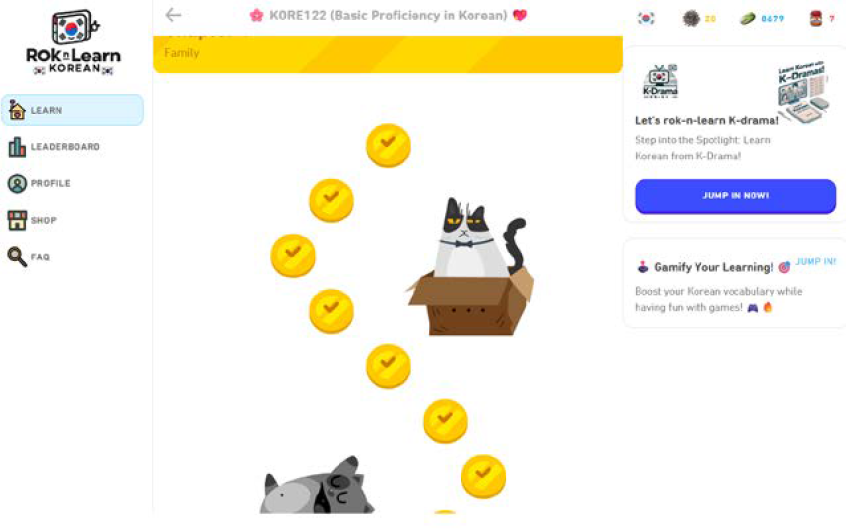
How Rok-N-Learn supports students
- Clear lesson path: students know where they are and what to do next.
- Explicit grammar learning: video and guided notes make the chapter goal clear.
- Instant feedback: students learn why an answer is correct, not just whether it is correct.
- Vocabulary and speaking: students move from recognition to active pronunciation practice.
- Motivation: rewards and leaderboard options encourage consistent practice.
Teaching Approach
- Communication first: Students use Korean to ask questions, make requests, share ideas, and complete real tasks.
- Clear structure: I use transparent goals, consistent routines, scaffolded practice, and frequent feedback.
- Scenario-based learning: Students practice the same task across different relationships, such as speaking with a friend, staff member, or professor.
- Culture in context: Students learn Korean through media, food, etiquette, games, festivals, and guided cultural discussion.
- Technology with purpose: Digital tools support listening, pronunciation, vocabulary, and preparation for class.
- Reflective improvement: I use student work and feedback to adjust pacing, examples, and support structures.
Classroom Practices
Language foundations
Students build confidence with Hangul, pronunciation, and everyday expressions through guided practice.
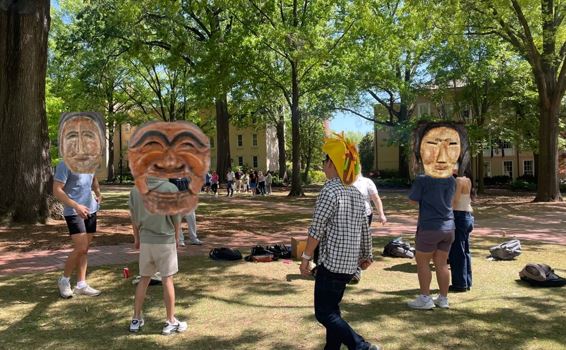
Interactive lessons
Class time centers on guided speaking tasks, role plays, quick checks, and student participation.
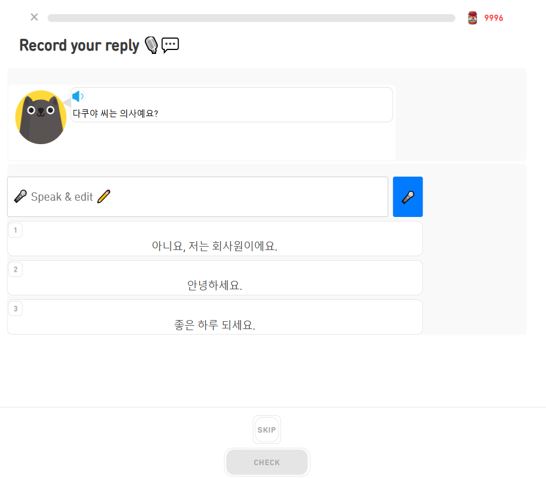
Dialogue-based practice
Short dialogues help students develop fluency, intonation, natural responses, and confidence.
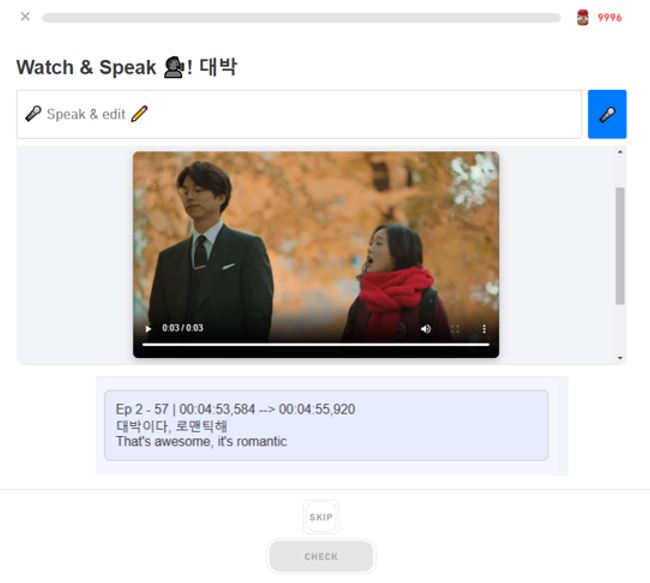
Authentic media and listening
Students engage with Korean media through clips, lyrics, shadowing, vocabulary notes, and discussion prompts.
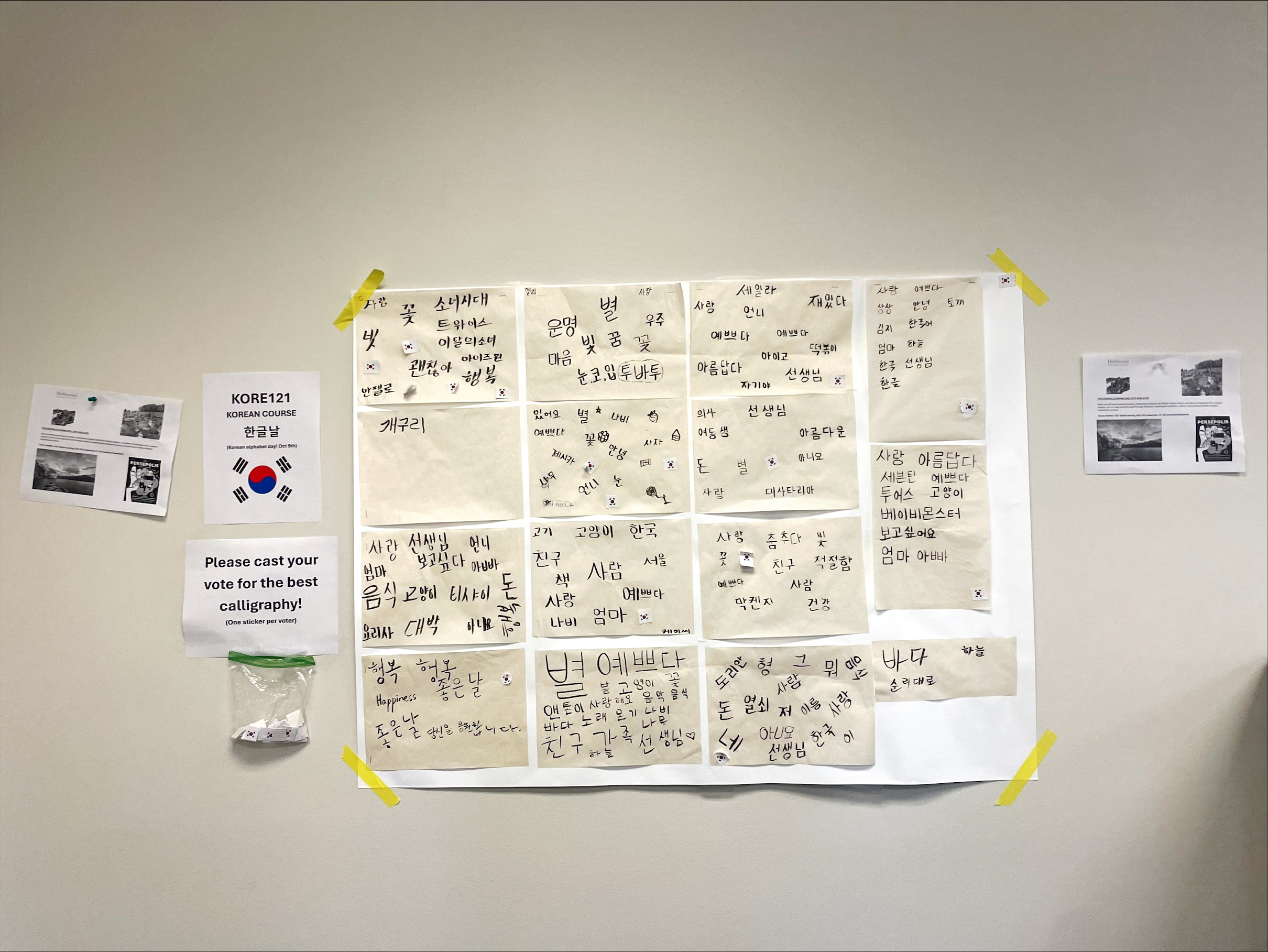
Hangul calligraphy
Calligraphy strengthens letter-form awareness while connecting language learning to Korean cultural tradition.
Culture through food
Food-based activities make vocabulary, instructions, sequencing, and cultural knowledge memorable.
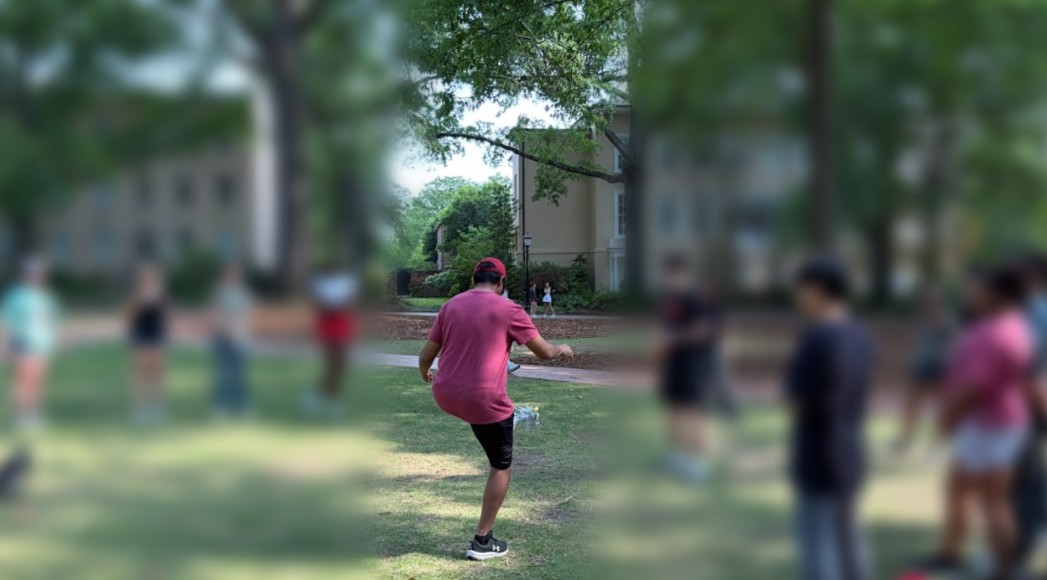
Language through play
Games create low-stress repetition, shared attention, and opportunities for spontaneous interaction.
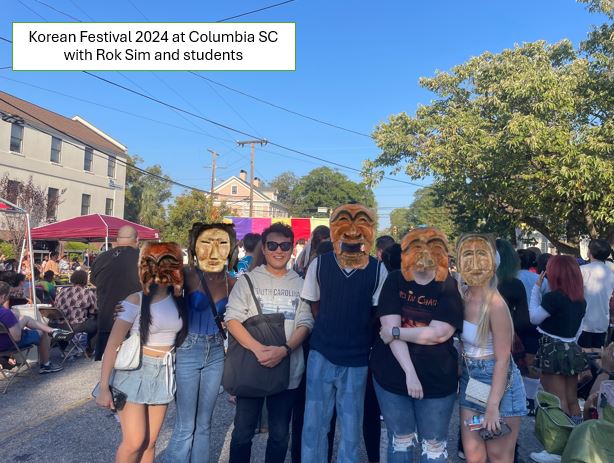
Beyond the classroom
Community events help students connect classroom learning with Korean culture, people, and public life.